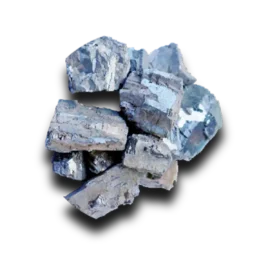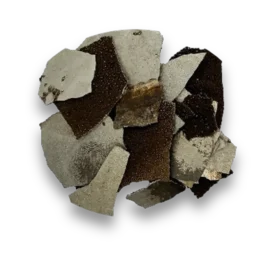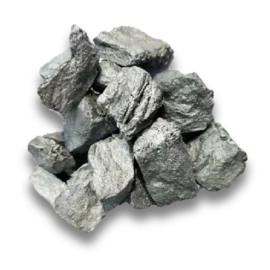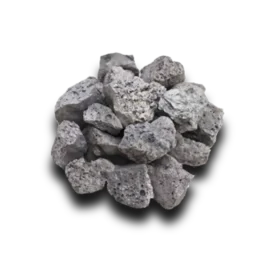
Product Description
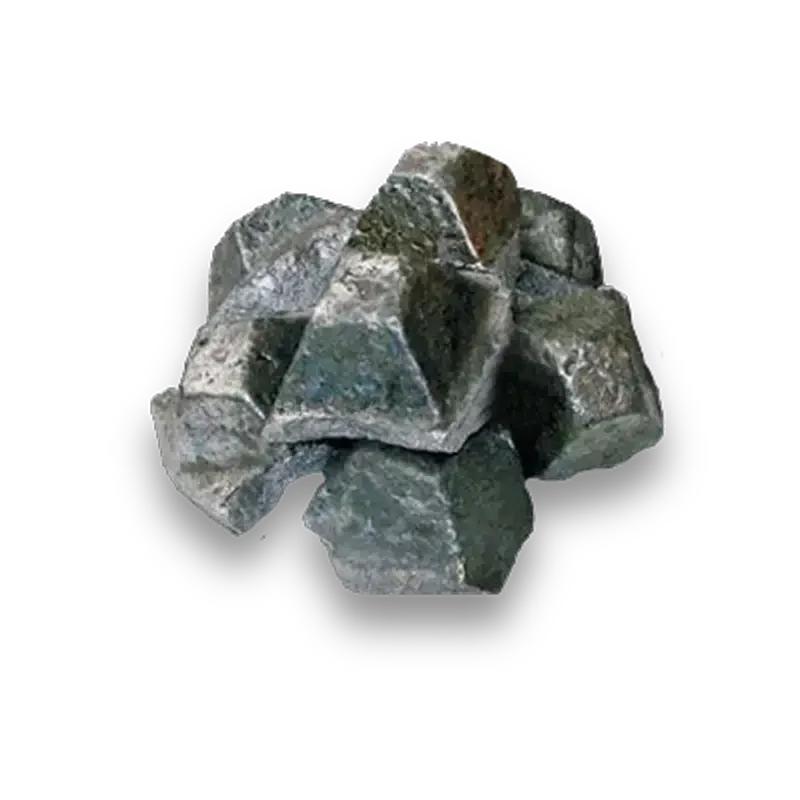
Aluminum Silicon (Al-Si alloys) are a class of aluminum-based alloys where silicon (Si) is the primary alloying element, typically containing 5%-25% silicon, along with minor additions of copper (Cu), magnesium (Mg), or nickel (Ni) to tailor properties. They are produced via casting (most common) or powder metallurgy, leveraging silicon’s ability to improve castability and wear resistance of aluminum.
- High castability: Low melting point, minimal shrinkage—ideal for complex shapes.
- Good wear resistance: Hard Si particles resist abrasion.
- Lightweight: Density ~2.6-2.8 g/cm³ (30% lighter than steel).
- Decent corrosion resistance: Natural oxide layer protects against mild environments.
- Good thermal conductivity: Suitable for heat-dissipation parts.
- Cost-effective: Lower cost than high-strength Al alloys.
Applications
- Automotive: Engine parts (cylinder heads, pistons), transmission housings (castability, heat resistance).
- Electronics: Heat sinks (LEDs, CPUs) and device casings (thermal conductivity, corrosion resistance).
- Industrial: Pump housings, bearing sleeves (wear resistance).
- Aerospace: Secondary structures (brackets, heat shields) for weight/strength balance
Specifications
| Grades | Chemical Composition(%) | |||||
| Si≥ | Al≥ | Mn≤ | C≤ | P≤ | S≤ | |
| FeAl52Si5 | 5 | 52 | 0.2 | 0.2 | 0.02 | 0.02 |
| FeAl47Si10 | 10 | 47 | 0.2 | 0.2 | 0.02 | 0.02 |
| FeAl42Si15 | 15 | 42 | 0.2 | 0.2 | 0.02 | 0.02 |
| FeAl37Si20 | 20 | 37 | 0.2 | 0.2 | 0.02 | 0.02 |
| FeAl32Si25 | 25 | 32 | 0.2 | 0.2 | 0.02 | 0.02 |
| FeAl27Si30 | 30 | 27 | 0.4 | 0.4 | 0.03 | 0.03 |
| FeAl22Si35 | 35 | 22 | 0.4 | 0.4 | 0.03 | 0.03 |
| FeAl17Si40 | 40 | 17 | 0.4 | 0.4 | 0.03 | 0.03 |