

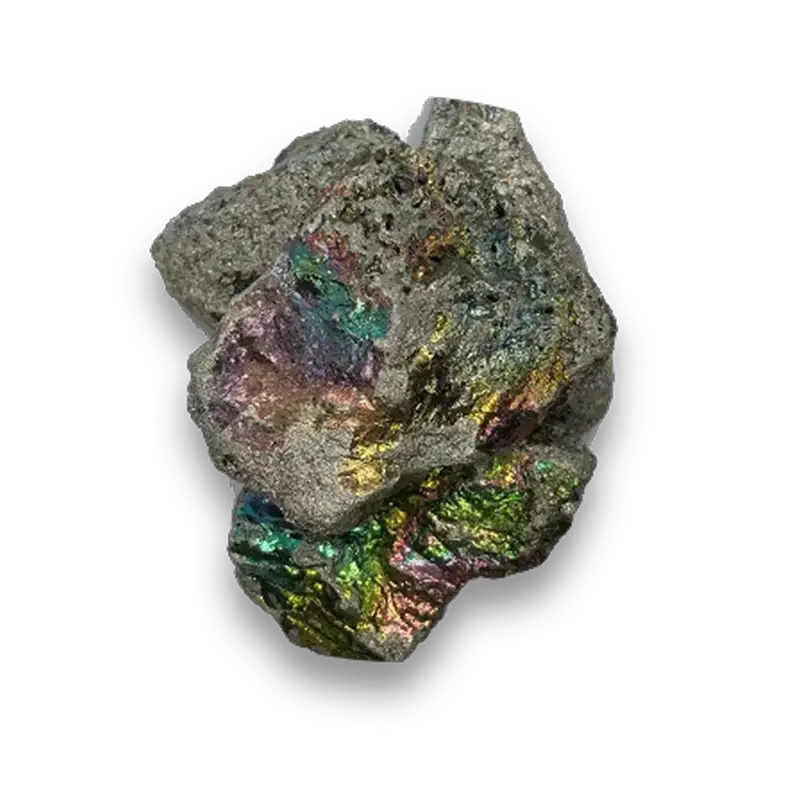
Product Description
Manganese Metal typically has a purity of ≥95%, produced via electrolysis (for high-purity Mn, ≥99.7%) or silicothermic reduction (for industrial-grade Mn, 95%-98%), and is mainly used as a high-end alloy additive, battery material, and precision industrial feedstock.
- Physical: Silvery-gray, forms oxide film; melting point 1244°C; hard/brittle at room temp, ductile at 800-1000°C.
- Chemical: Reacts slowly with water/dilute acids; oxidizes in air (protective MnO₂ film); high-purity Mn resists weak acids.
- Metallurgical: Enhances alloy strength/toughness; better than alloys at removing O/S from molten steel.
Applications
- Steel Industry (60% of industrial-grade Mn usage):Adds to high-end/low-alloy steel (boosts toughness by 20-30%); replaces nickel in stainless steel.
- Non-Ferrous Alloy Sector (25% usage): 1-3% in Al/Mg alloys (corrosion resistance); in Cu alloys (precision parts).
- Battery & Electronics Industry (10% usage, fastest-growing sector): Ultra-high-purity Mn for Li-ion battery cathodes (EVs, storage); magnetic materials. magnetic materials.
Specifications
| Grades | Chemical Composition(%) | |||||
| SiC≥ | F.C≤ | Fe2O3≤ | SiO2≤ | Al2O3≤ | Other≤ | |
| SiC98.5 | 98.5 | 0.2 | 0.1 | 0.3 | 0.1 | 0.5 |
| SiC97 | 97.0 | 0.5 | 0.4 | 0.5 | 0.3 | 1.0 |
| SiC95 | 95.0 | 0.5 | 0.7 | 1.0 | 0.5 | 1.5 |
| SiC90 | 90.0 | 1.0 | 1.0 | 1.5 | 1.0 | 2.0 |
| SiC80 | 80 | 2.5 | 2.0 | 8.0 | 1.5 | 3.0 |
| SiC70 | 75 | 3.5 | 2.0 | 12.0 | 1.5 | 3.0 |